
Ethiopia


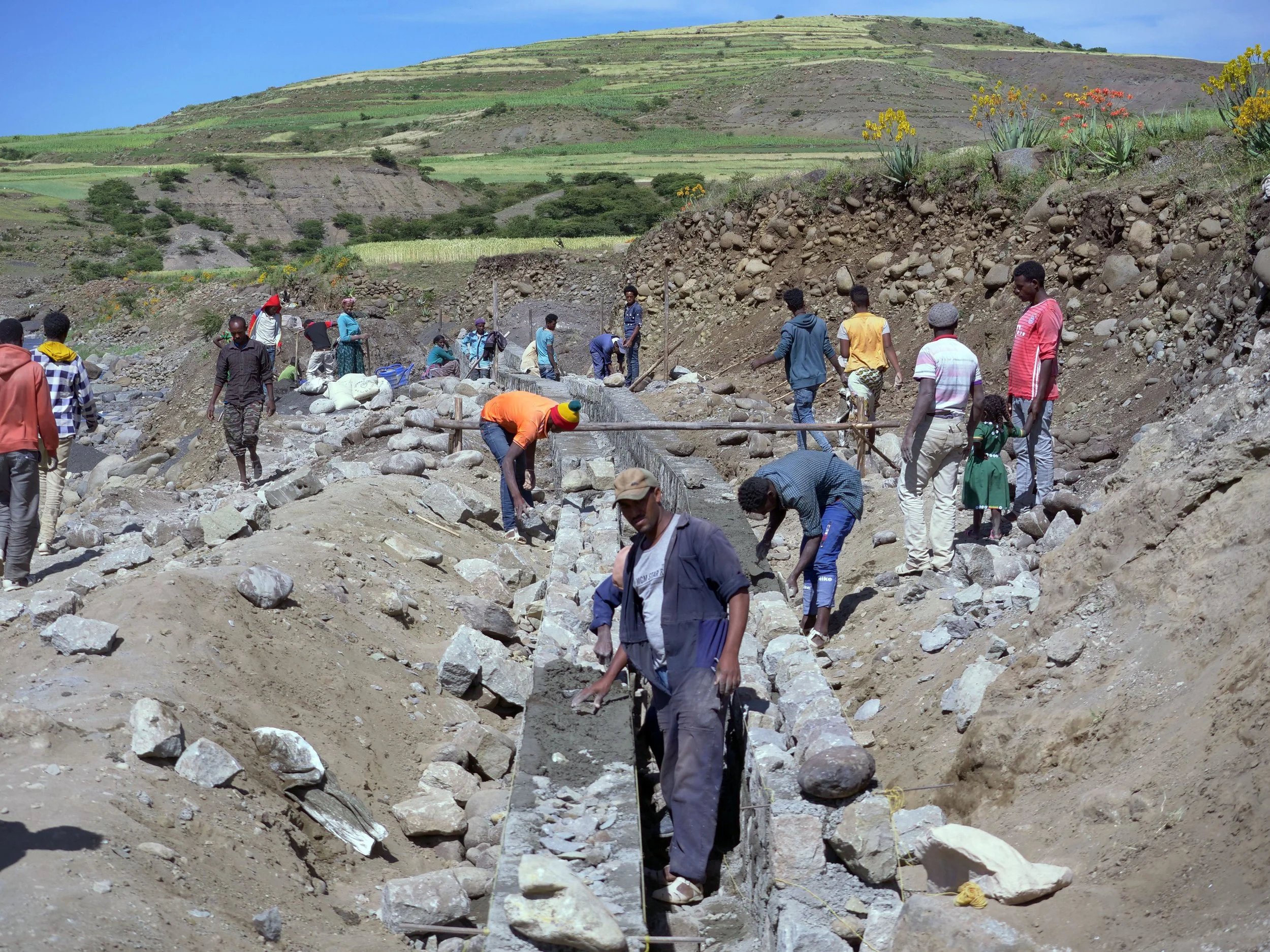
Strengthening Child Protection services through Child Friendly Space and improved livelihoods for Care givers in Mai-Weini IDP Site in Mekelle of Tigray Region.
Project Update
We are pleased to share that our project “Strengthening Child Protection Services and Livelihoods for Vulnerable Families” in Tigray has now been fully funded by another partner. This outcome confirms both the urgency of the needs addressed and the quality and relevance of the proposed intervention.
The project targets the Mai-Weini IDP site in Mekelle, responding to the compounded impacts of conflict, displacement, and economic collapse on internally displaced families, with a specific focus on vulnerable and unaccompanied children. Through child-friendly and women-safe spaces, psychosocial support, community-based child protection mechanisms, and income-generating activities for caregivers, the intervention aims to enhance protection, dignity, and self-reliance in a highly fragile context.
This funding success also represents a positive example of effective coordination rather than competition within the humanitarian response, demonstrating how complementary partnerships can accelerate impact and ensure timely support where it is most needed.
At the same time, the situation on the ground in Tigray remains extremely fragile. One single project cannot address the full spectrum of protection, psychosocial, and livelihood needs faced by displaced and host communities, particularly as vulnerabilities continue to evolve.
The Olive Branch Foundation therefore continues to closely monitor developments with our local partner and remains attentive to emerging needs on the ground, in order to identify future priority interventions that can meaningfully complement ongoing efforts.
The project:
The crisis in the Tigray region presents a complex humanitarian situation characterized by conflict, natural disasters, and displacement, exacerbating vulnerabilities for already marginalized groups, particularly internally displaced persons (IDPs) and unaccompanied or separated children.
The project aims to enhancing self-reliance through income-generating activities and holistic support, with specific objectives including improving access to child-friendly and women-safe spaces, strengthening community-based structures for child protection, and creating income generation opportunities for caregivers and families of vulnerable children. The project targets the May Weini IDP Site, aiming to enhance protection and psychosocial well-being, raise community awareness on child protection and gender-based violence (GBV), and improve access to livelihood opportunities.
The "Strengthening Child Protection Services and Livelihoods for Vulnerable Families" project is an urgent and impactful initiative targeting the Mai-Weini IDP site in Mekelle, Tigray. With a total budget of $70’493.26 (CHF 64’372.76), the project is designed to provide child-friendly services, enhance psychosocial well-being, and support income-generating activities (IGAs) for caregivers of vulnerable children.
Why Tigray, Ethiopia?
The Tigray region faces severe humanitarian challenges, including:
Conflict and Displacement: Since the onset of the Tigray War in 2020, approximately 2 million people are at risk of starvation, and over 5.2 million require urgent food aid.
Vulnerable Children: Over 5,400 unaccompanied and separated children live in IDP camps and host communities without adequate protection.
Economic Collapse: Agricultural livelihoods have been decimated by war, drought, locust infestations, and ongoing economic instability.
This project addresses these critical issues by focusing on the well-being of children and empowering caregivers through sustainable livelihoods.
Project Overview
Target Beneficiaries
Direct Beneficiaries: 1,380 individuals, including 760 women and girls and 620 men and boys, benefiting directly from child protection services, training, and livelihood support.
Indirect Beneficiaries: 7,530 individuals, including extended families and community members.
Objectives
Protect and Support Vulnerable Children
Provide a safe environment through child-friendly spaces (CFS).
Deliver feeding programs, informal education, and indoor/outdoor recreational activities for children.
Empower Caregivers with Sustainable Livelihoods
Offer training in business skills and entrepreneurship.
Distribute cash grants for income-generating activities (IGAs) to 50 caregivers.
Strengthen Community Awareness and Resilience
Conduct awareness campaigns on child protection and gender-based violence (GBV).
Train community-based child protection committees and establish child rights committees.
Expected Outcomes
Enhanced Child Protection: Safer environments for 120 vulnerable children, fostering cognitive, emotional, and social development.
Economic Empowerment: Improved livelihoods for caregivers, reducing dependency on aid and building long-term resilience.
Community Resilience: Increased awareness of child protection and GBV issues, empowering communities to address these challenges effectively.